Backman Font: A Bold Choice for Handmade Creations
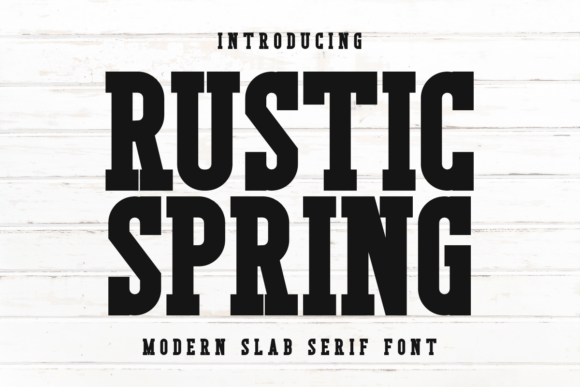
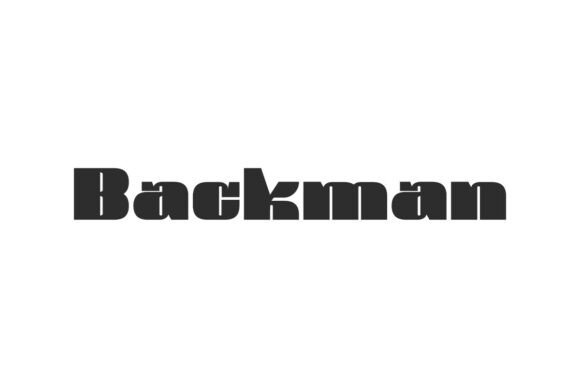
I was in the middle of designing a set of candle labels when I first stumbled upon Backman. It wasn’t just any font—it felt like the perfect match for the kind of handmade product I was working on. With its ultra-bold slab serif style, Backman immediately commanded attention on my mockup. The massive, blocky letterforms had this modern yet timeless quality that made me pause and think about how it could elevate everything from packaging to digital printables.
Backman is more than just a font; it’s a statement. Its heavy-hitting design gives off a sense of strength and confidence, which makes it ideal for products that want to stand out. The subtle, sharp terminals add a touch of sophistication without making the typeface feel too rigid. It’s the kind of font that feels both contemporary and classic, bridging the gap between old-world craftsmanship and modern minimalism.
Bringing Backman to Life on Handmade Products
I started by testing it on some small sticker sheets for my boutique packaging. The boldness of Backman worked wonders on tiny tags—each letter was crisp and clear, even when printed at a smaller scale. When I used it on larger items, like tote bags or mugs, the effect was equally impressive. It gave the text a weight that felt intentional, as if each word was meant to be seen and remembered.
One of my favorite applications has been using Backman for greeting cards. I paired it with a clean sans serif font for body text, and the contrast made the headings pop. It’s also been a go-to for seasonal products, like holiday tags or farmhouse-style signs. The font’s robust presence helped create an atmosphere of warmth and celebration, especially around the holidays.
For wedding invitations, I used Backman as the main headline font. It added a sense of grandeur and elegance that fit perfectly with the event’s theme. I paired it with a simple script font for names and dates, and the combination felt balanced yet striking.
Designing with Purpose: How Backman Impacts Your Work
The way Backman presents itself can significantly influence how your handmade products are perceived. It adds a layer of professionalism and polish that can elevate the overall look of your brand. Whether you’re creating planner pages, wall art, or product packaging, the font’s strong character helps reinforce your brand identity and make your work more memorable.
Backman is particularly well-suited for short phrases, names, titles, and decorative wording. Its display use is where it shines brightest. While it might not be the best choice for long paragraphs of text, it works beautifully for headlines, logos, and other visual elements that need to grab attention quickly.
When designing for physical merchandise, like stickers or labels, I always consider readability. Backman’s thick strokes make it highly legible even at smaller sizes, which is essential for product tags and cut files for machines like Cricut or Silhouette. I’ve found that using it in combination with a lighter, more readable font for supporting text helps maintain clarity while keeping the design visually engaging.
Font Pairing and Practical Tips for Makers
Pairing Backman with other fonts can open up new creative possibilities. For a clean and modern look, I often pair it with a minimalist sans serif font. This contrast helps highlight the boldness of Backman while keeping the design approachable. If I’m going for something more elegant, I’ll use a simple serif font alongside it, creating a harmonious balance.
For a more playful or artistic vibe, combining Backman with a script or handwritten font can add personality to your designs. Just be mindful of the overall composition—too much contrast can overwhelm the eye, so it’s important to find a balance that feels cohesive.
Before finalizing any project that involves selling physical products, templates, or digital downloads, I always check what styles, alternates, ligatures, swashes, weights, and file formats come with Backman. Ensuring that the font supports multilingual characters and commercial use is crucial, especially if you plan to expand your reach beyond local markets.
Whether you're crafting labels, designing invitations, or preparing digital printables, Backman offers a versatile and powerful tool to bring your vision to life. Its unique charm and bold appeal make it a valuable asset in any maker's toolkit. I’ve found that when used thoughtfully, it can transform ordinary projects into standout creations that resonate with customers and reflect the care and creativity behind them.